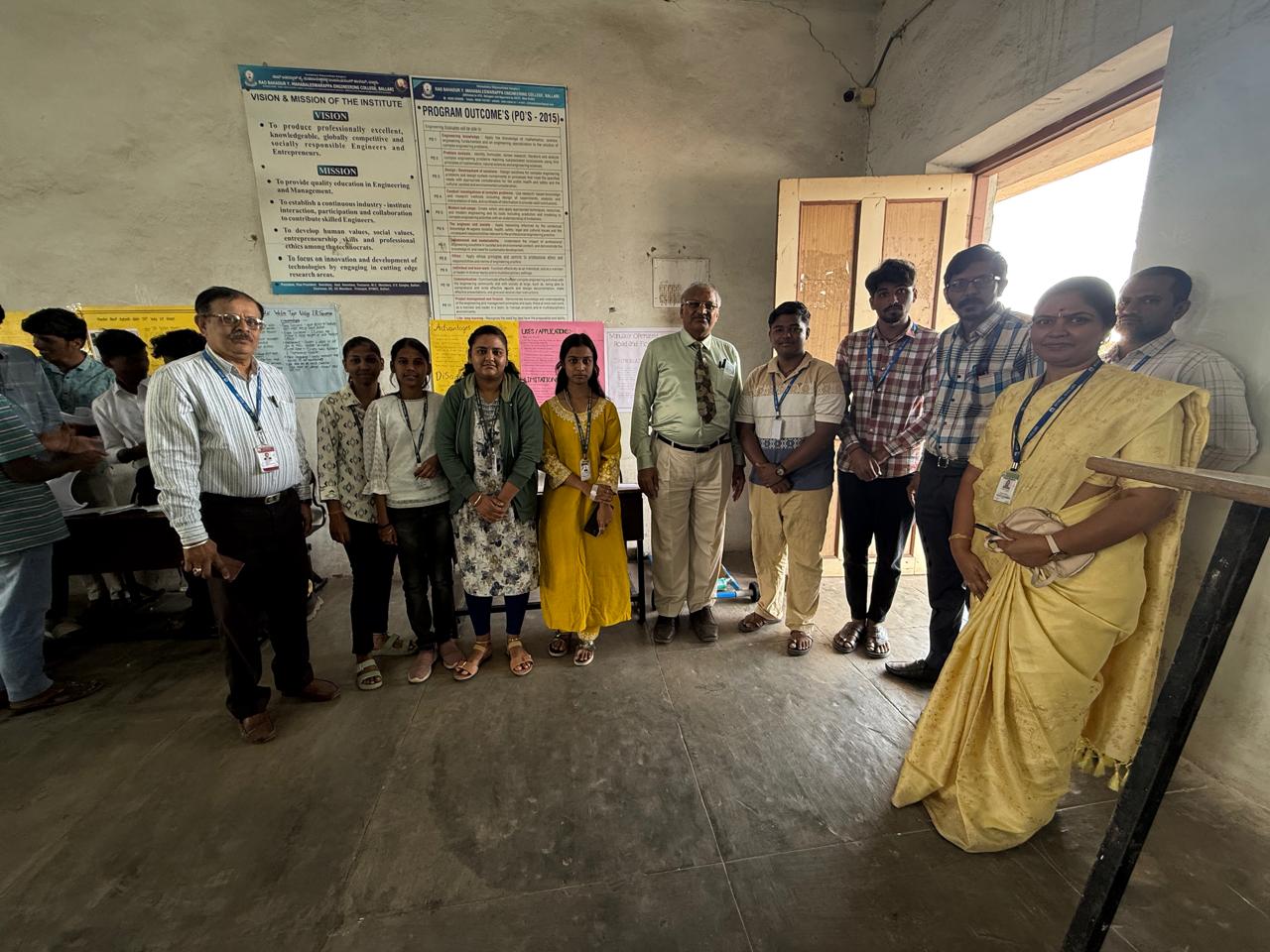
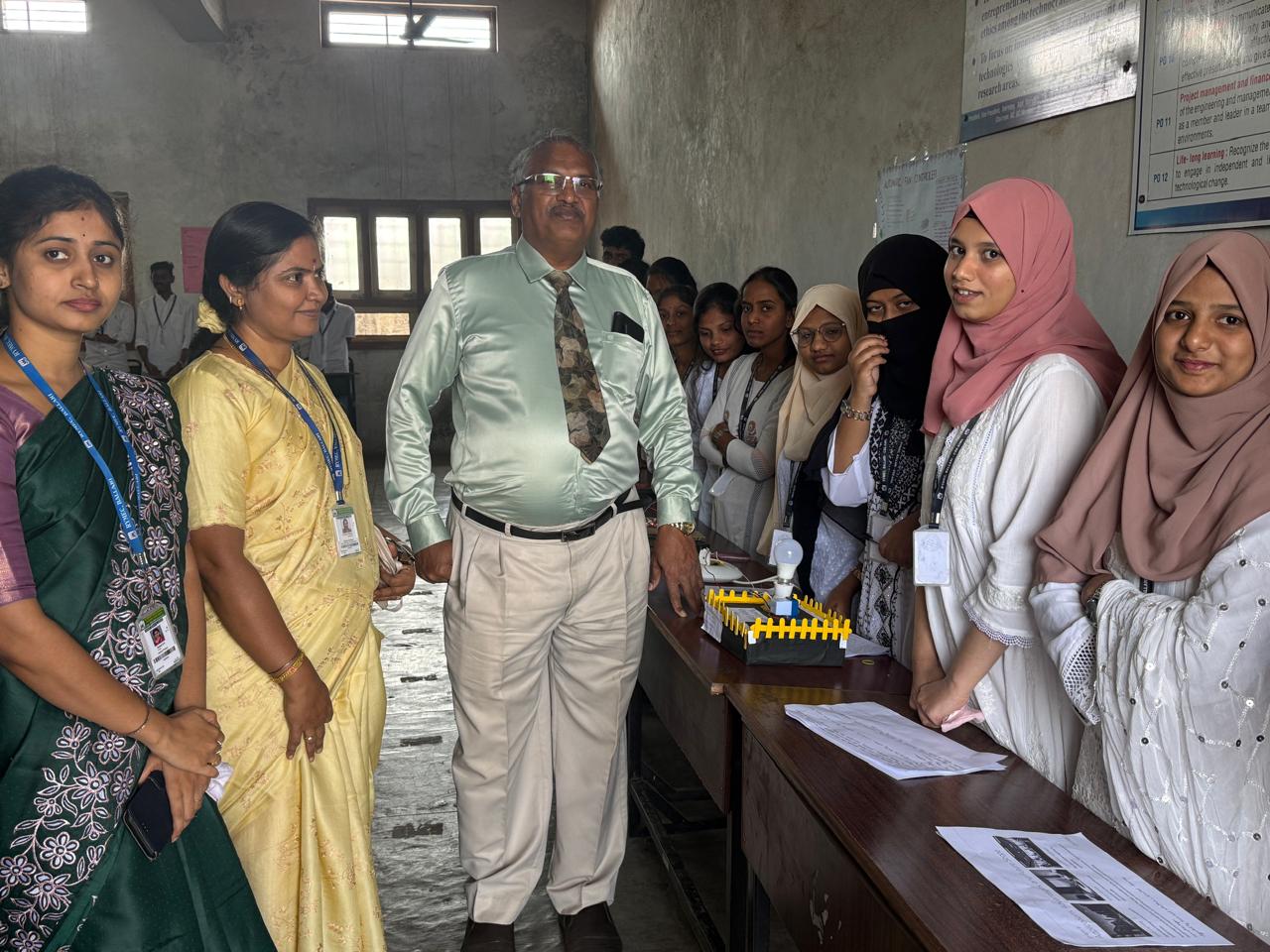
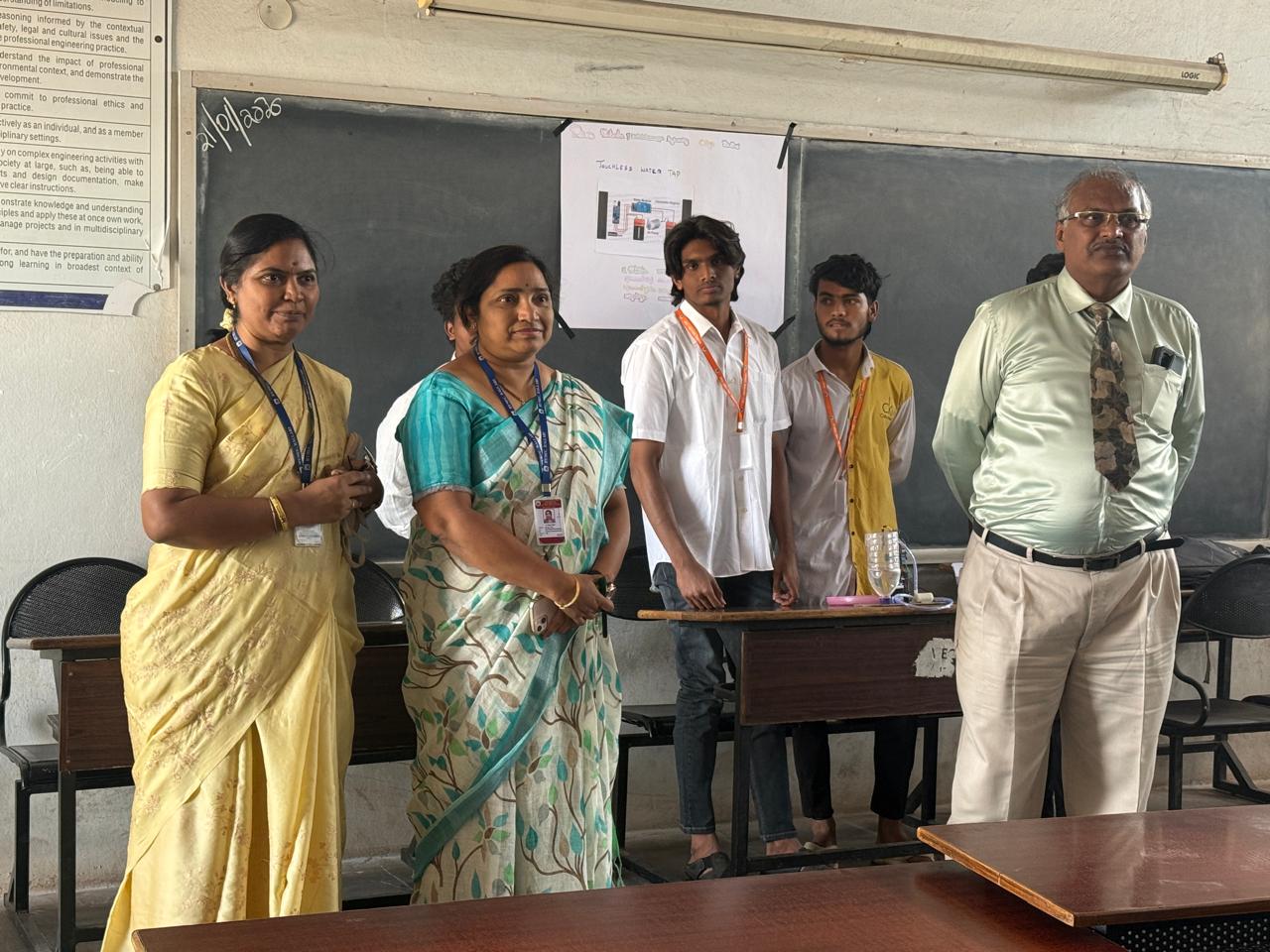
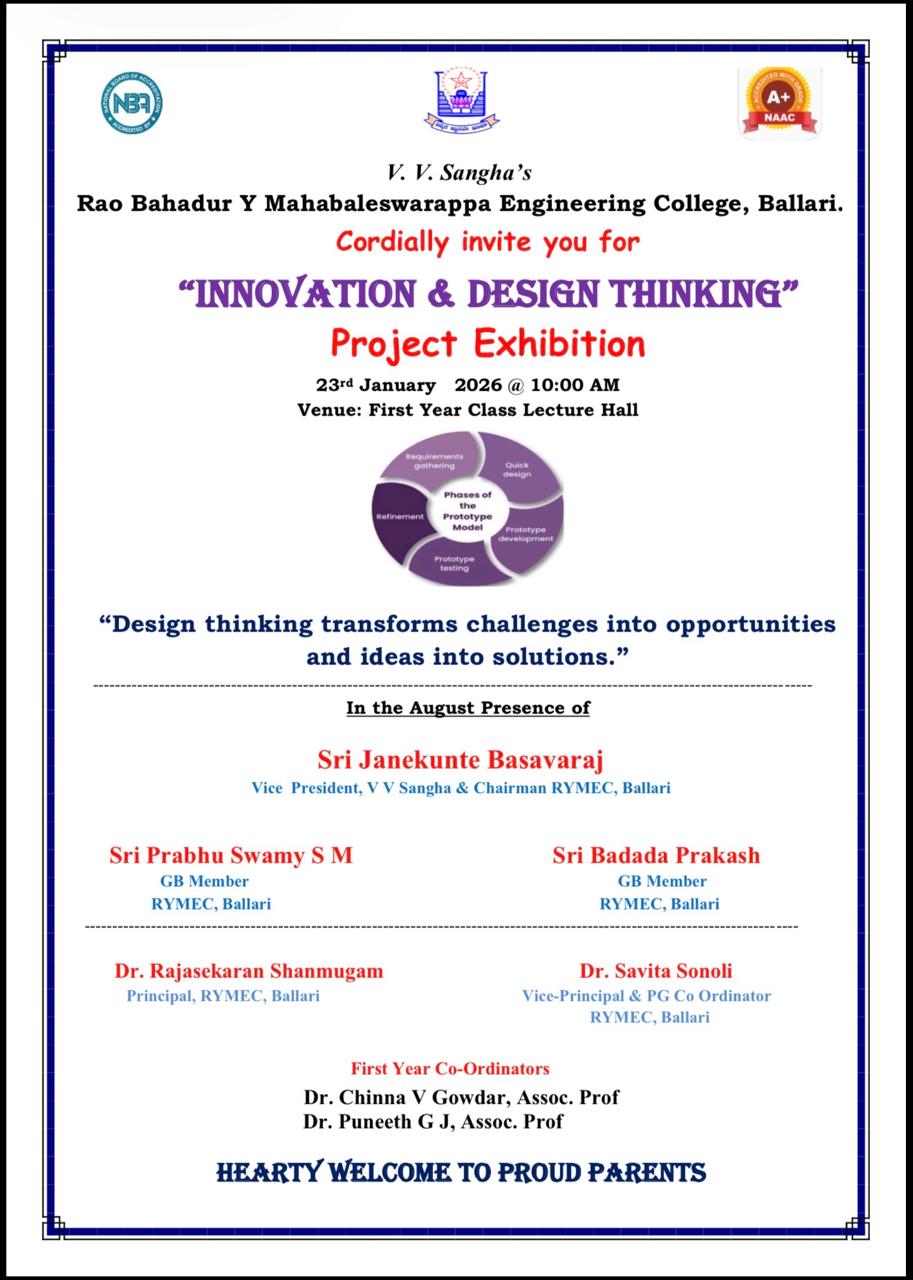
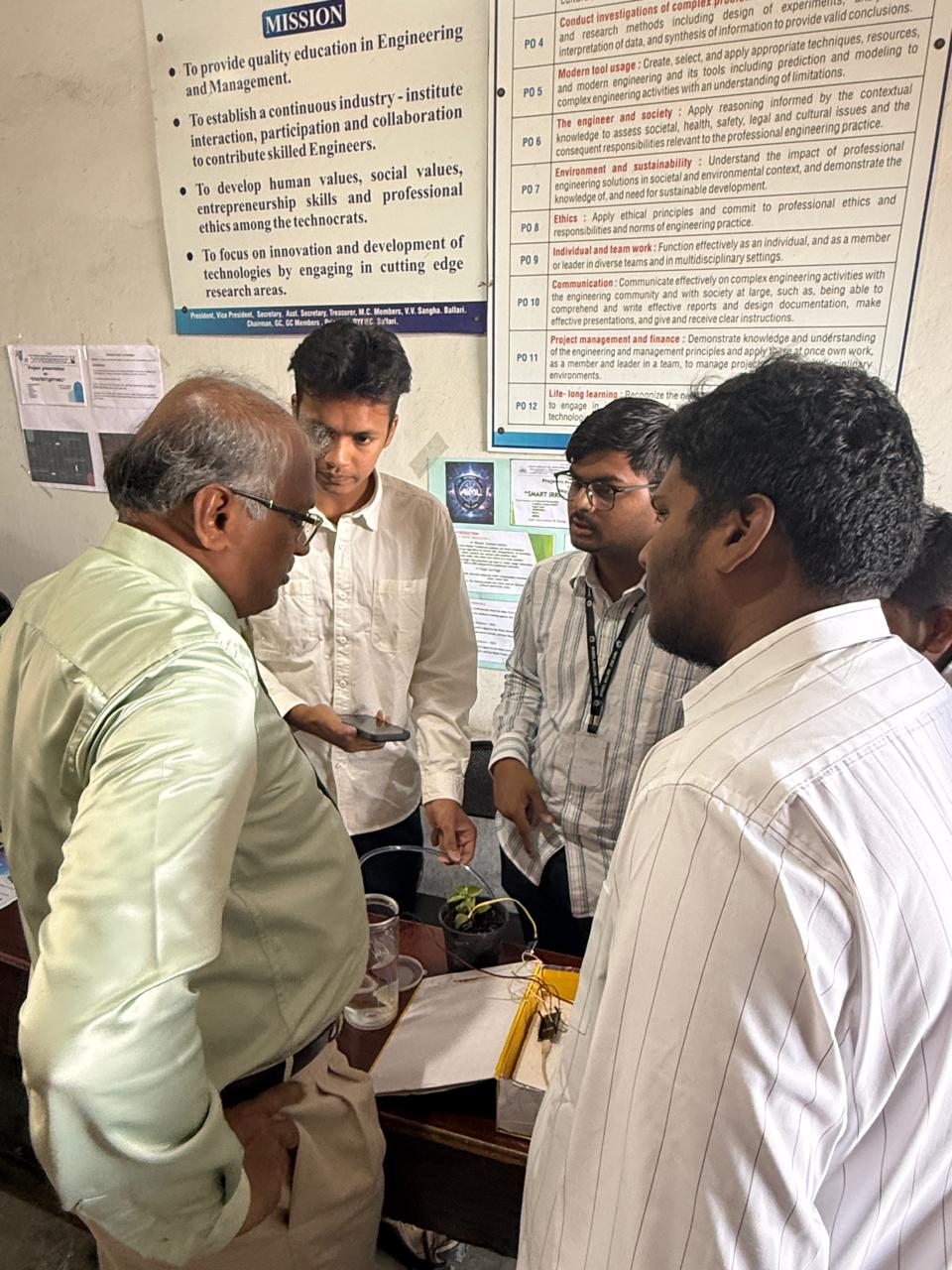
The Innovation Design Thinking Project Exhibition – 2026 was organized on 23rd January 2026 at 10:00 AM as part of the academic initiative under the Visvesvaraya Technological University (VTU) curriculum. The event aimed to provide a platform for first-year engineering students to showcase their creativity, technical knowledge, and problem-solving abilities through innovative project prototypes. In today’s rapidly evolving technological landscape, it is essential for students to move beyond theoretical learning and engage in practical, application-oriented activities. Design thinking plays a crucial role in fostering innovation by encouraging students to empathize with real-world problems, ideate solutions, develop prototypes, and evaluate their effectiveness. This exhibition served as a significant step toward nurturing such competencies among budding engineers while creating an environment of collaboration and experiential learning.
The exhibition was conducted in the august presence of distinguished dignitaries including Sri Janekunte Basavaraj, Chairman, RYMEC; Dr. Rajshekarn Shanmugam, Principal; Dr. Savita Sonoli, Vice Principal; along with Dr. Chinna V. Gowdar and Dr. Puneeth G. J, First-Year Coordinators. Their presence added great value to the event and motivated students to actively participate and present their innovative ideas with confidence. Faculty members from various departments played an important role in mentoring and guiding students throughout the development of their projects.
The event witnessed enthusiastic participation from nearly 400 first-year students across multiple engineering disciplines. Students worked collaboratively in teams to conceptualize, design, and implement innovative solutions addressing contemporary challenges. Each team presented their working models along with detailed explanations, demonstrating both theoretical understanding and practical application. The wide variety of projects reflected the multidisciplinary nature of engineering education and highlighted the creativity and innovative thinking of students.
Students showcased a wide range of creative and impactful projects focusing on diverse domains such as:
- Artificial Intelligence (AI) applications
- Arduino and Raspberry Pi-based systems
- Automation technologies
- Modern agricultural techniques
- Environment-friendly innovations
AI-based projects focused on intelligent systems, predictive models, and automation solutions. Embedded system projects demonstrated the use of microcontrollers in developing smart devices and sensor-based applications. Automation projects aimed at improving efficiency and reducing human effort in various processes. Agricultural innovations showcased smart farming techniques such as automated irrigation and soil monitoring systems, while environment-focused projects addressed sustainability through waste management and eco-friendly designs.
The projects were evaluated by faculty members based on criteria such as innovation, originality, practical applicability, technical implementation, presentation skills, and social relevance. Constructive feedback provided to the students helped them identify their strengths and areas for improvement, thereby enhancing their overall learning experience.
Overall, the exhibition proved to be a great success, achieving its objective of promoting creativity, innovation, and practical learning among students. It enhanced students’ confidence, teamwork, and communication skills while providing exposure to real-world problem-solving approaches. The event highlighted the potential of young engineers and inspired them to continue exploring innovative ideas and contribute toward sustainable and technology-driven solutions for the future.